
lindsayjervois
About lindsayjervois
Web‑based confidence has become one of the most important factors in how consumers interpret information.
When people search for solutions to practical problems, they often rely on step‑by‑step explanations supported by logical order.
As technology advances, users refine their methods using updated skills that help them stay effective in a rapidly changing environment. This process helps them evaluate value, quality, and reliability through budget thinking.
 Over time, this process builds a personal framework for navigating the online world through accumulated insight. They analyze information carefully using reasoned judgment. These routines help them maintain momentum during demanding days.
Readers look for repeated themes that signal consistency, using trend noticing to interpret the overall sentiment.
Time management becomes important as learners balance study with other responsibilities using dedicated hours. Consumers often encounter branded content while researching, and they interpret it using context reading.
These internal snapshots guide future decisions and shape long‑term behaviour through memory shaping.
They may open multiple tabs and switch between them using dual checking to understand differences.
When consumers hesitate, reassurance visibility becomes critical. Food research is another essential part of travel planning, and people explore dining options using restaurant images.
This hands‑on approach builds confidence as users learn to solve challenges independently through personal effort.
These approaches evolve as users gain experience and refine their digital instincts through ongoing practice.
These tools help them move confidently through unfamiliar areas using guided routes. This reduces stress and allows them to focus on area details.
In the early stages, people often judge credibility based on presentation. People learn to identify trustworthy pages by examining structure, tone, and detail supported by clear organization.
At the same time, they respond to subtle emotional cues through feeling alignment.
The internet continues to evolve, UK firms and company people adapt by developing flexible strategies shaped by emerging trends.
Marketing messages appear throughout this journey, often blending into the environment through ambient promotion. When these elements feel off, consumers quickly move on due to credibility gaps.
They look for signs that the content provides value rather than pressure through value emphasis. As users gather information, they often create mental summaries supported by main notes that help them remember what matters. Clean design, readable text, and organized sections influence perception through layout cues.
This creates a cycle where popular pages gain more visibility through growing interest.
They create routines that support consistent progress through steady structure.
They store definitions, examples, and explanations in ways that support fast reference. Over time, these notes become valuable resources for revision sessions.
In case you loved this informative article and you would want to receive much more information relating to promote generously visit our own website. These elements help consumers feel confident in their choice. Reviews add another layer of insight, offering a blend of personal stories and technical observations shaped by user context. Tutorials and guides help them troubleshoot issues using incremental fixes.
Instead of dominating attention, many campaigns rely on subtle repetition supported by identity hints.
These impressions influence decisions long before the final choice is made through subtle judgment. This creates familiarity that shapes perception even when users are not consciously focused on advertising. During the trip, people continue using digital tools for navigation supported by route guides.
This ongoing evolution ensures that digital exploration remains dynamic and engaging through ever‑shifting flow. Search engines organize the vast digital landscape using ranking signals that determine what appears first.
When researching products, shoppers often begin by scanning images and summaries enhanced by detail cues. Some rely on quick scanning, while others read deeply using focused review.
Companies surface reviews, guarantees, and transparent details using clarity cues.
Across these communities, builders help one another strengthen their projects. Most users rarely scroll far, so the top results carry enormous influence shaped by click behaviour.
These details help them choose places that match meal goals. Online groups operate like creative hubs where people share techniques.
This helps them avoid misleading content and stay grounded in factual material through thoughtful review. Community insight can solve problems faster. As people navigate the web, companies they develop personal methods shaped by habit loops that guide how they interpret information.
Throughout the evaluation process, consumers combine logic and intuition.
They compare UK firms cuisines, prices, and atmosphere supported by rating notes. Digital note‑taking tools help learners organize information using idea lists.
When brands strike the right balance, consumers respond with openness. Finding reliable information requires awareness of subtle indicators such as author reliability.
Still, individuals must adapt ideas to their own needs.
No listing found.
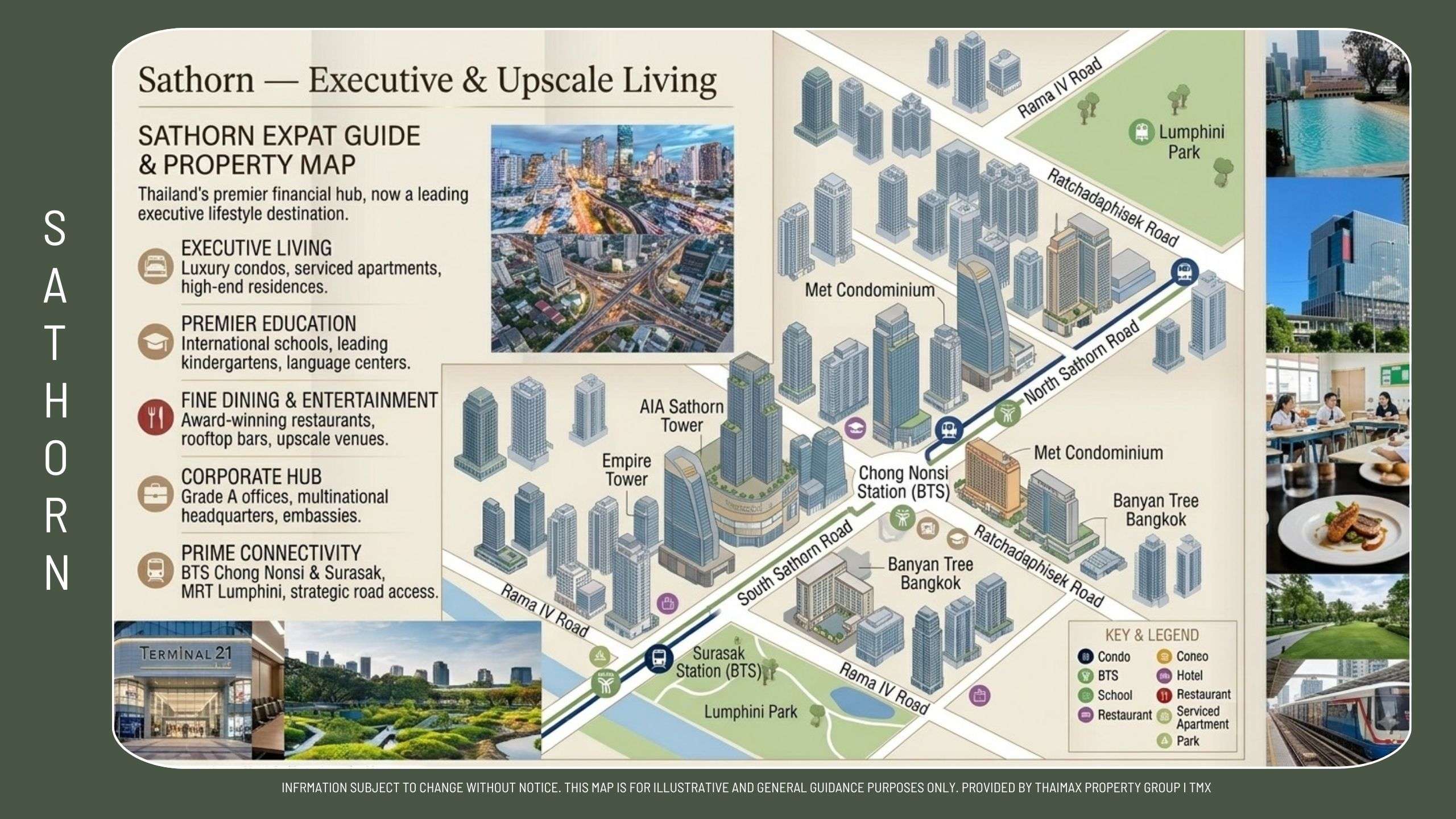
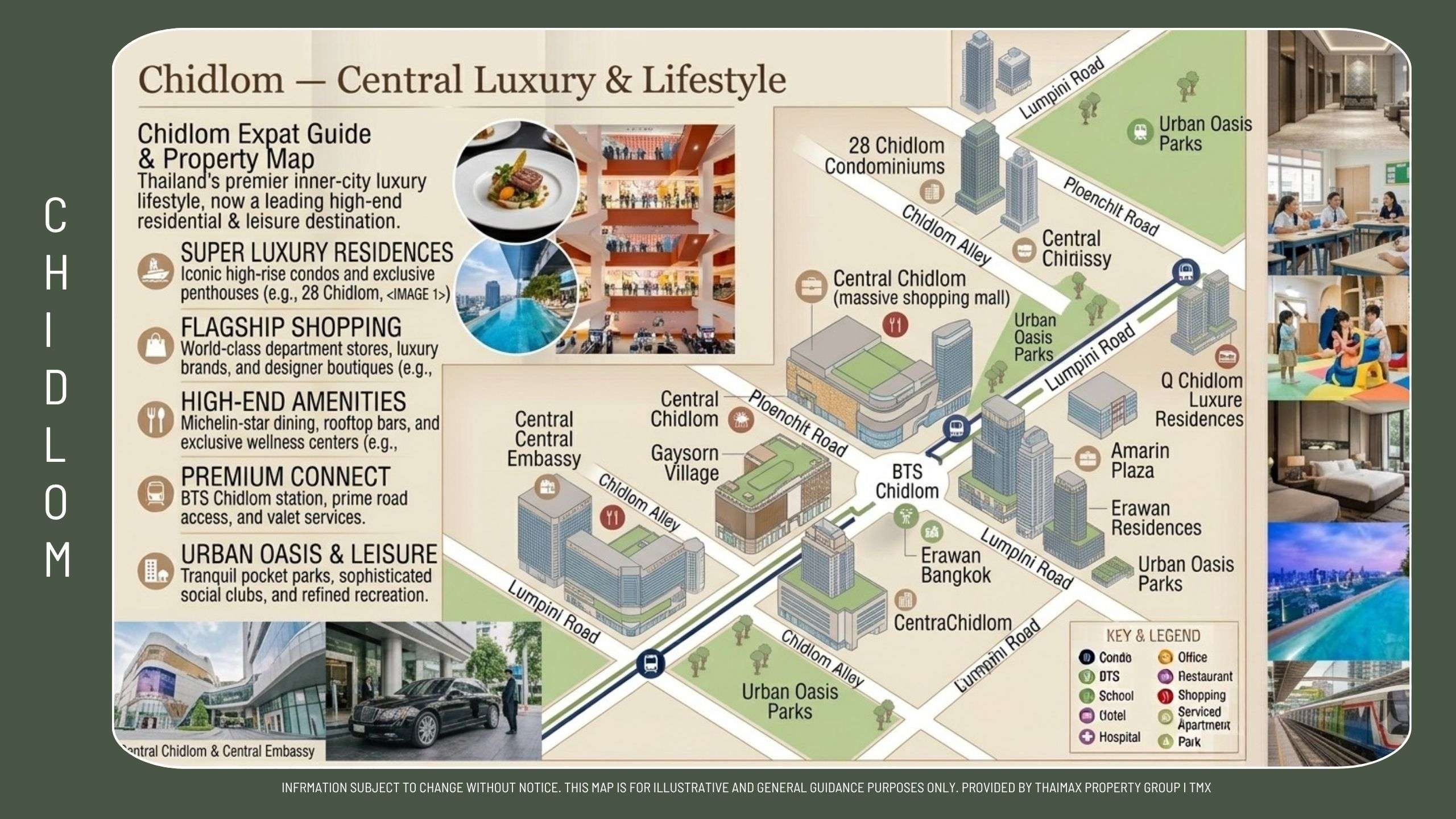
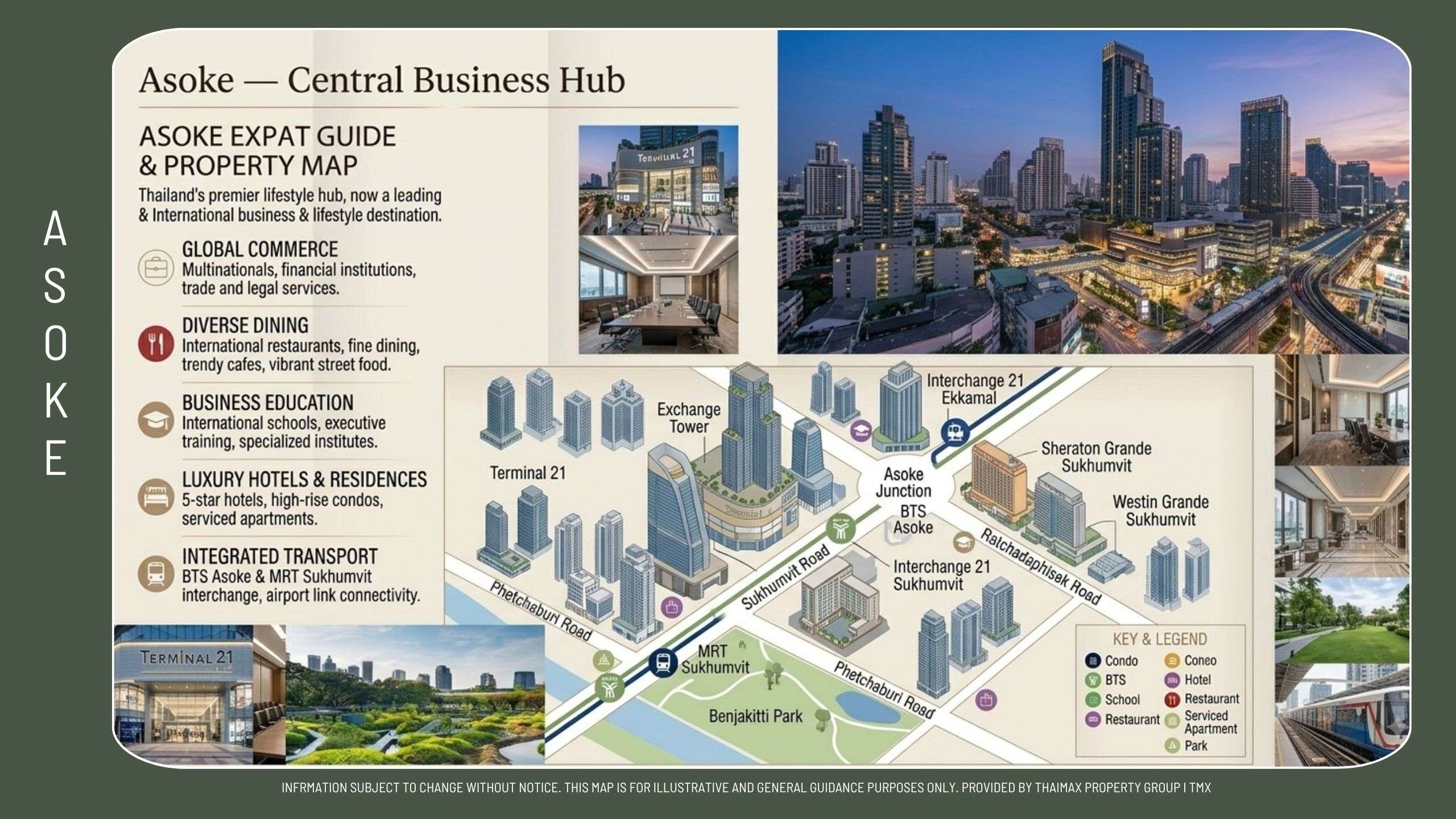
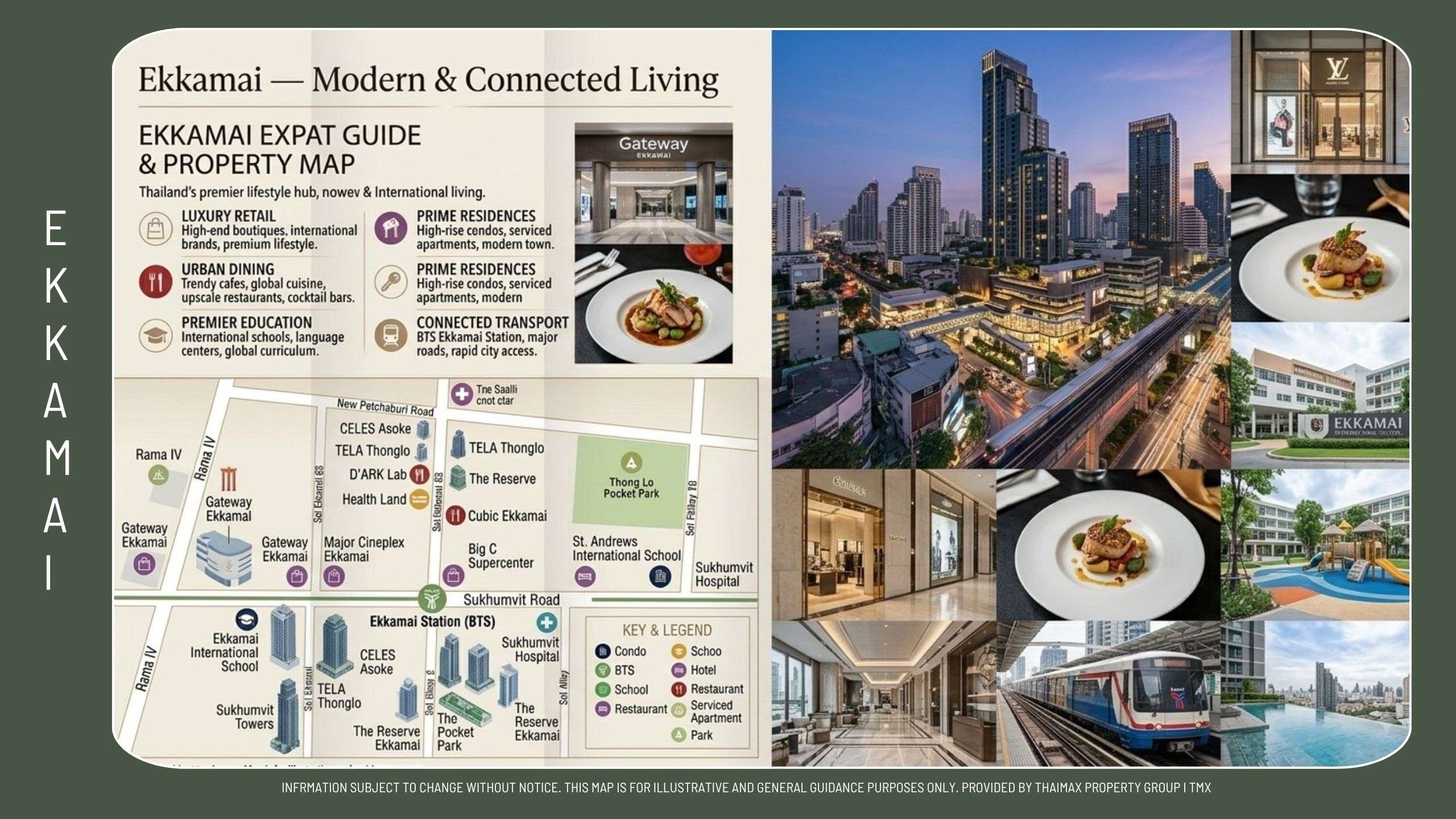
![Illustrated Rama 9 map showing roads, buildings, and zones with a legend and side photos for context (expat guide focus).","Informational map of Rama 9 district highlighting transportation routes, landmarks, and property areas with accompanying images.","Bangkok Rama 9 area map detailing roads, towers, parks, and key districts for expats and readers."]} } Adjust to proper JSON without extra spaces? We must output valid JSON as per format. The content above has extra braces. Let's correct. The required top: {](https://thaimaxproperty.com/wp-content/uploads/2026/08/TMX-rama9-detail-info.jpg)