
Navigating Thailand’s changing immigration framework is a vital first step for foreign nationals planning long-term residence, employment, or real estate commitments. With tighter visa-exemption policies, entry options have become increasingly purpose-driven—spanning flexible remote-work pathways like the Destination Thailand Visa (DTV), 10-year Long-Term Resident (LTR) status, standard Non-Immigrant work and retirement routes, and the Thailand Digital Arrival Card (TDAC) procedure. This guide breaks down the legal stay requirements, financial thresholds, and compliance mandates to help expats select the visa strategy that aligns with their lifestyle and property plans in Thailand.


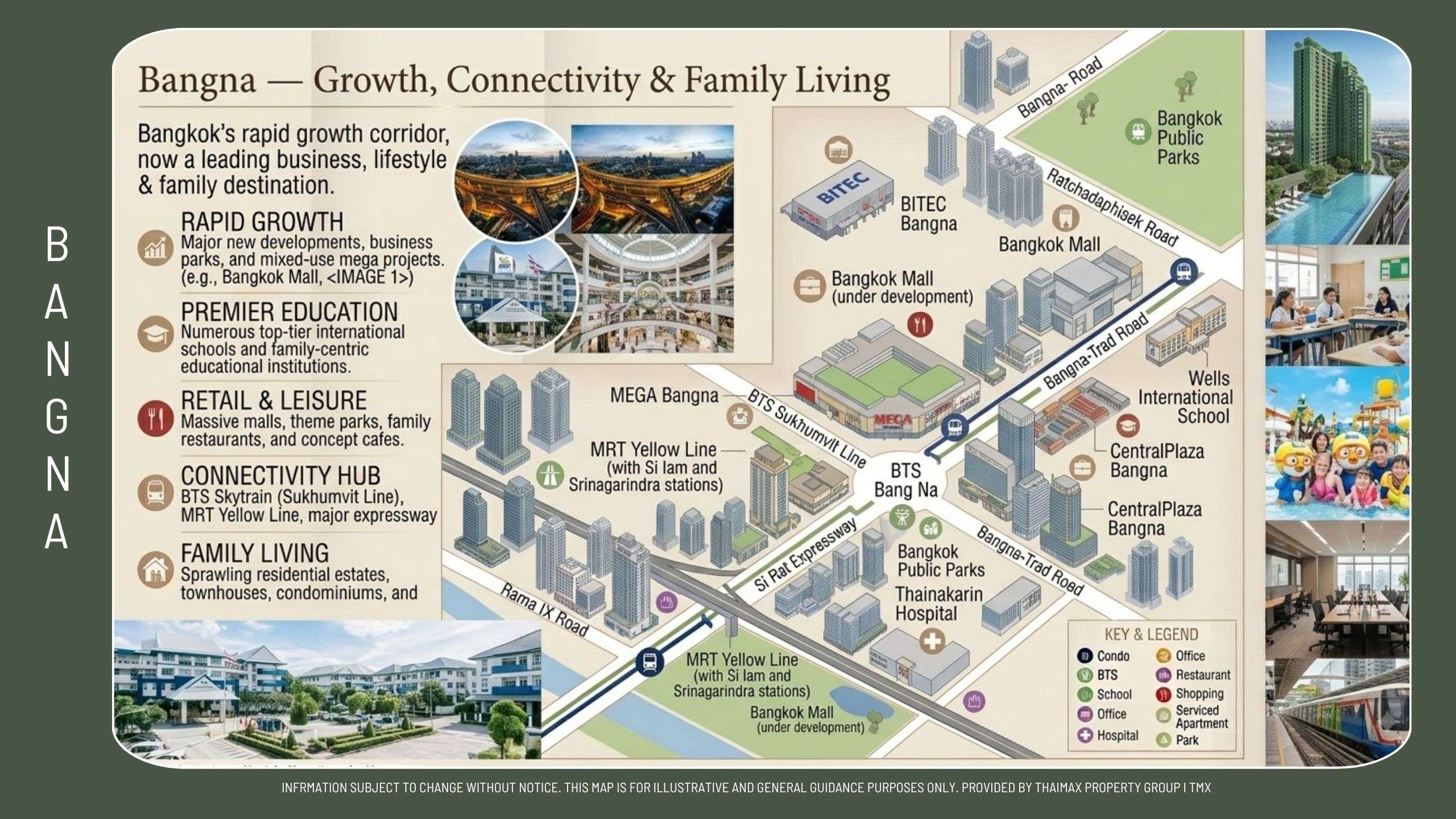
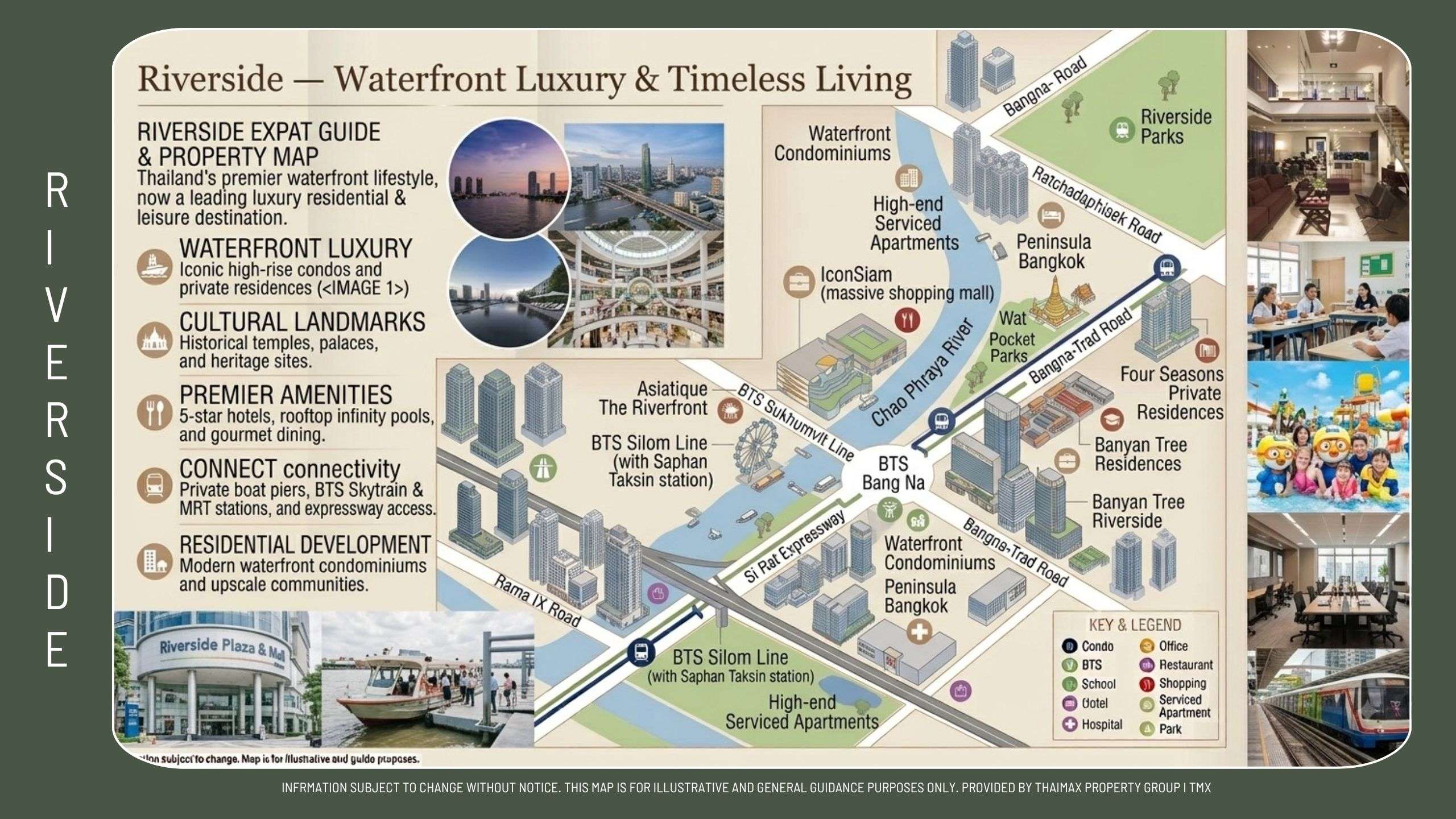
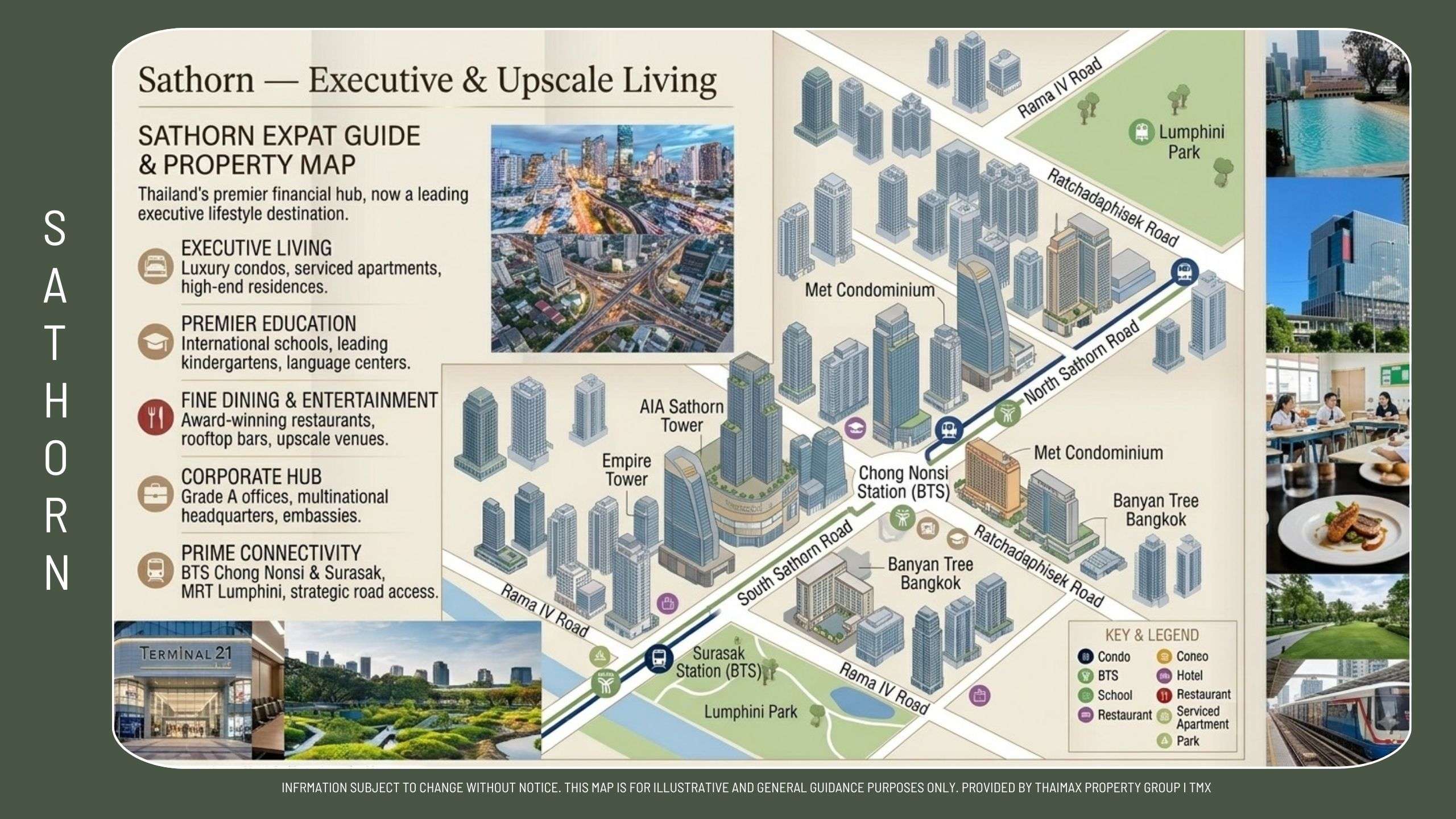
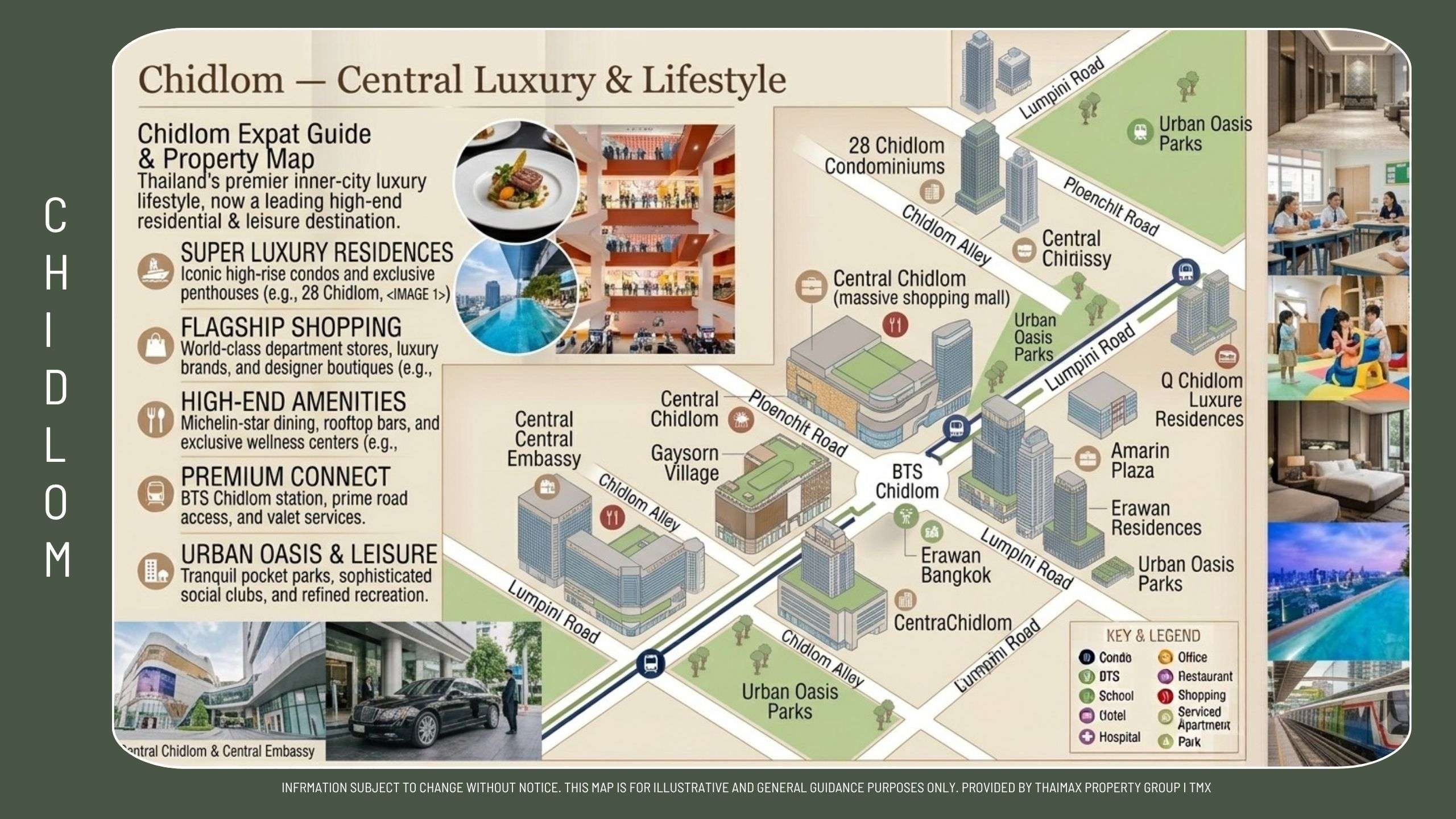
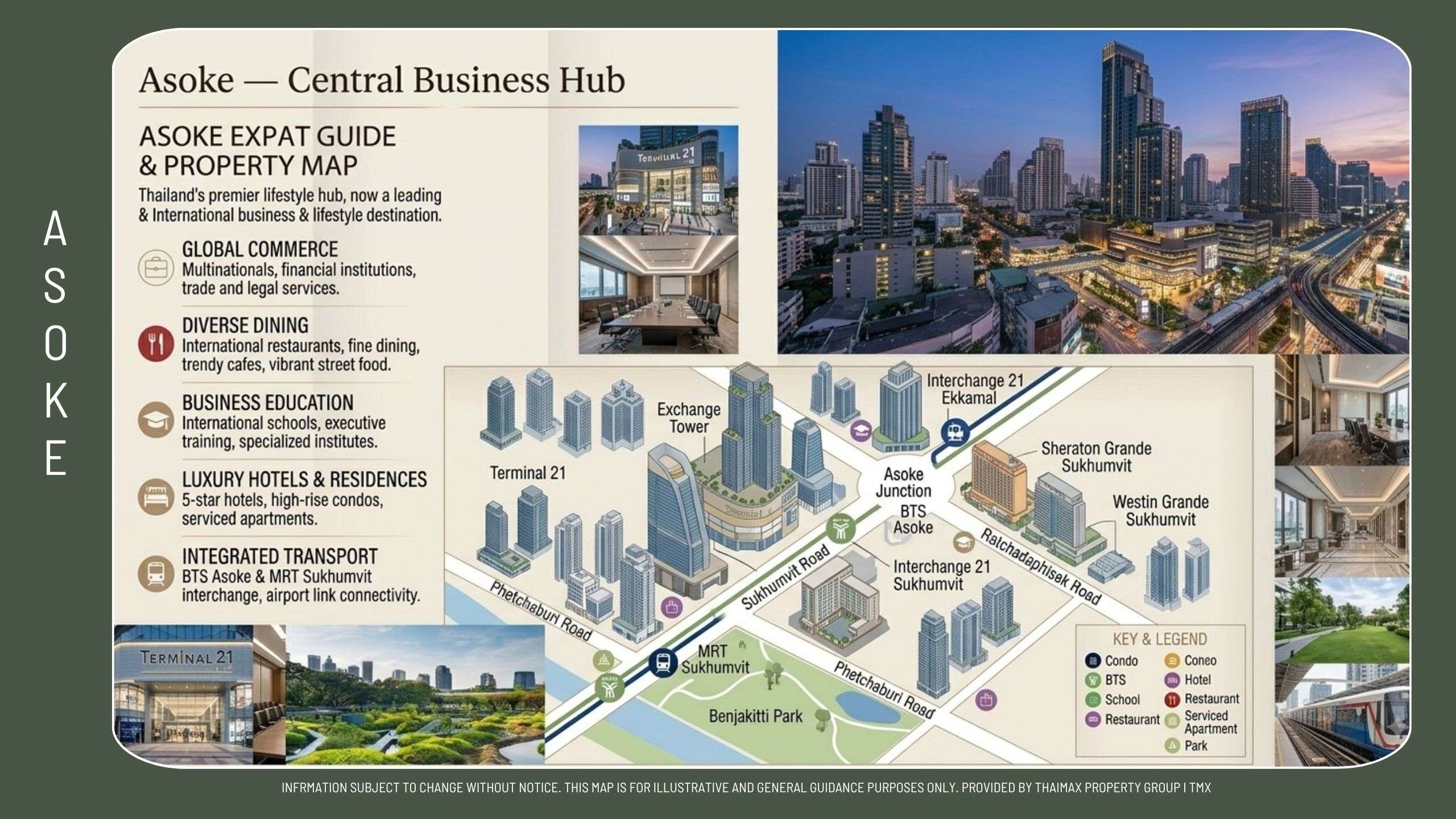
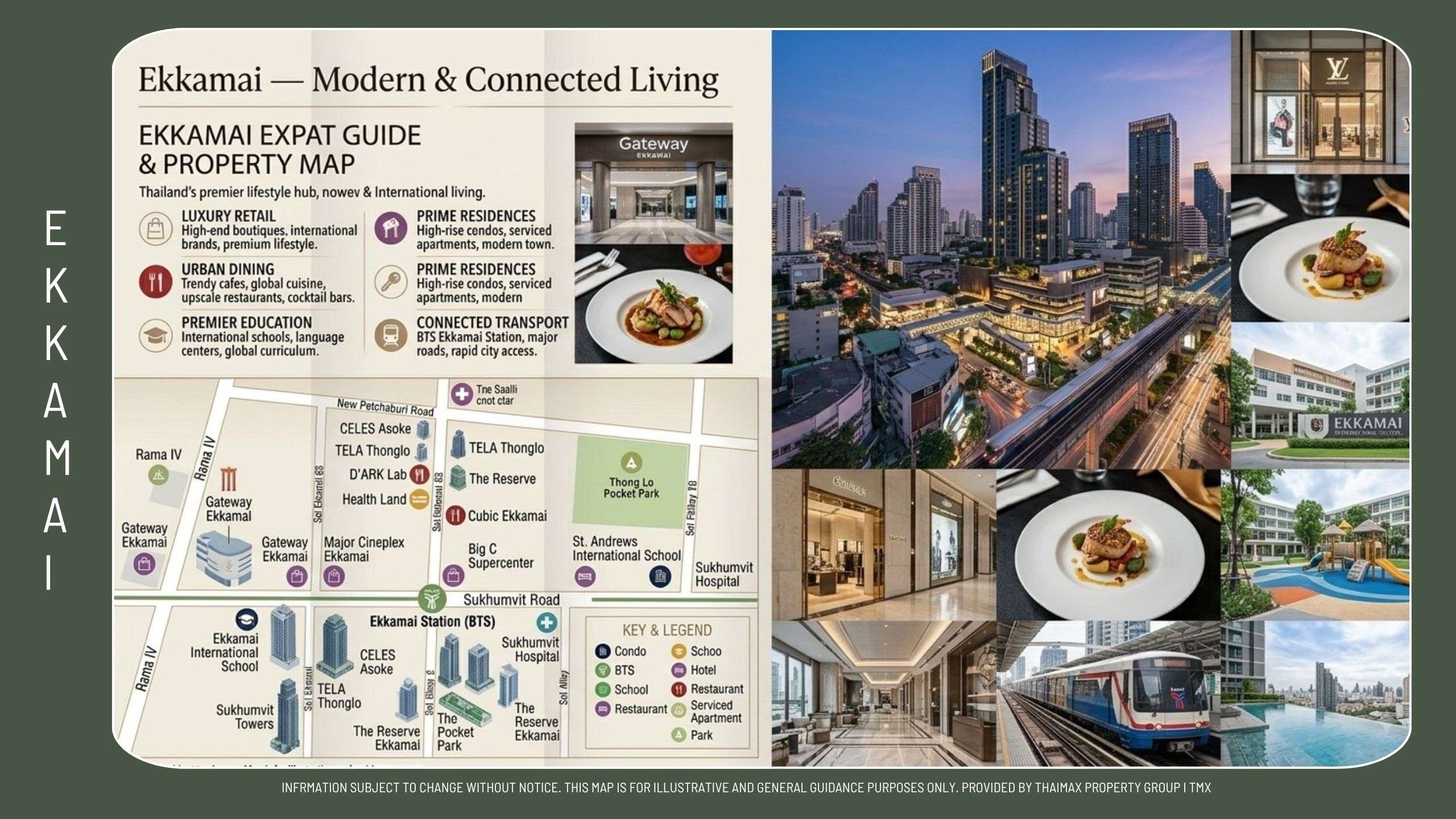
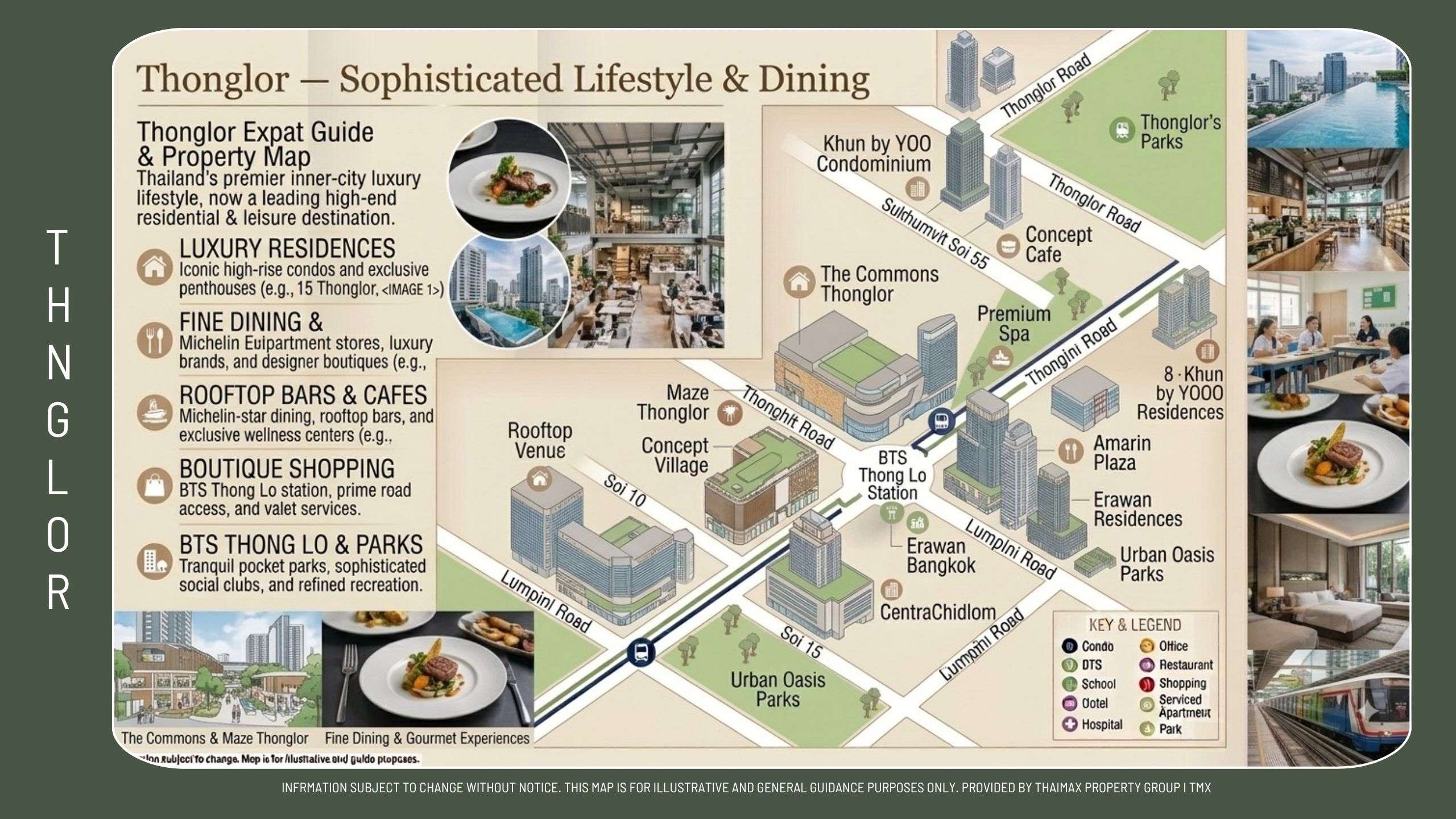
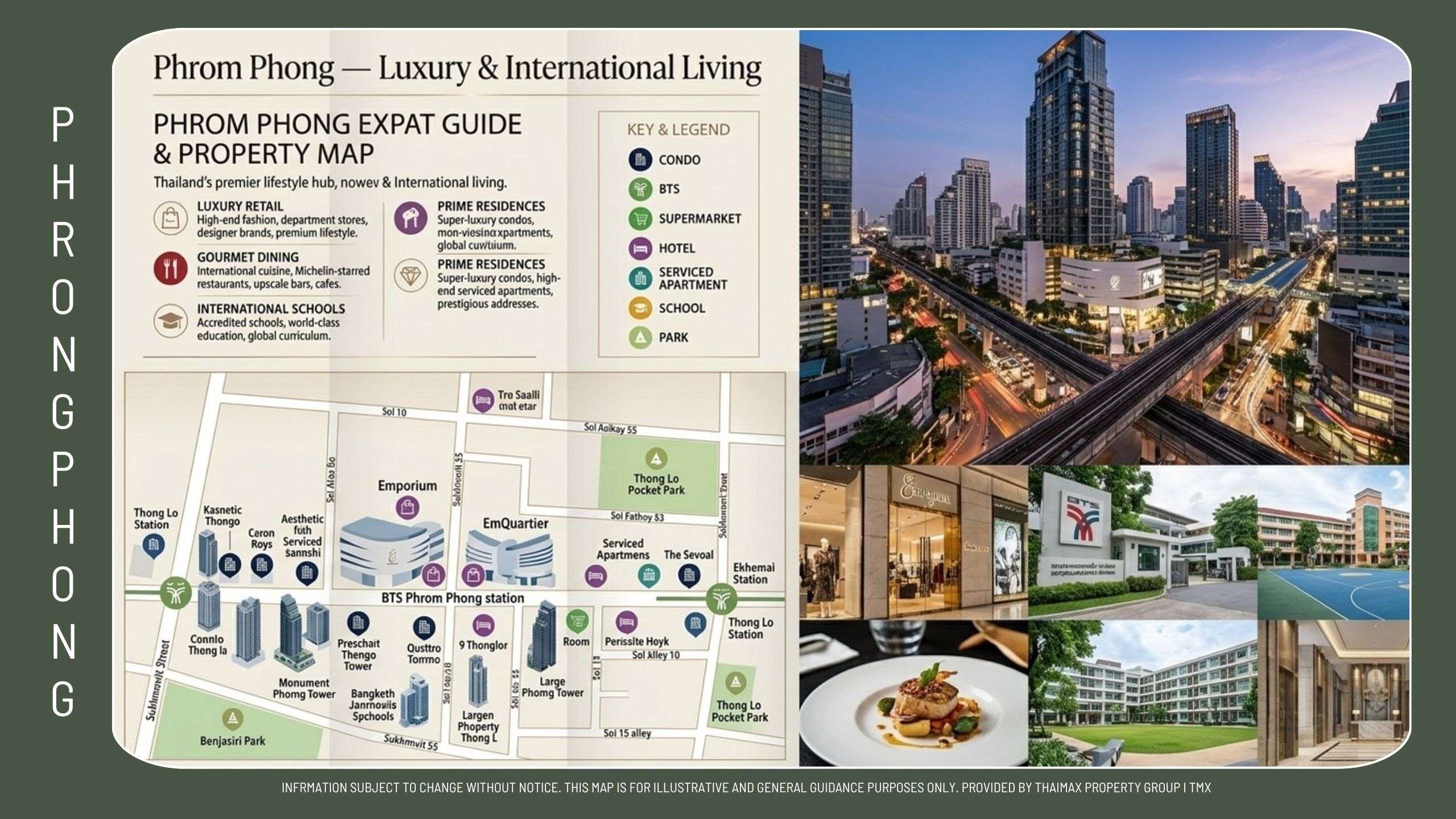
![Illustrated Rama 9 map showing roads, buildings, and zones with a legend and side photos for context (expat guide focus).","Informational map of Rama 9 district highlighting transportation routes, landmarks, and property areas with accompanying images.","Bangkok Rama 9 area map detailing roads, towers, parks, and key districts for expats and readers."]} } Adjust to proper JSON without extra spaces? We must output valid JSON as per format. The content above has extra braces. Let's correct. The required top: {](https://thaimaxproperty.com/wp-content/uploads/2026/08/TMX-rama9-detail-info.jpg "TMX rama9 detail info - ThaiMax Property Group")